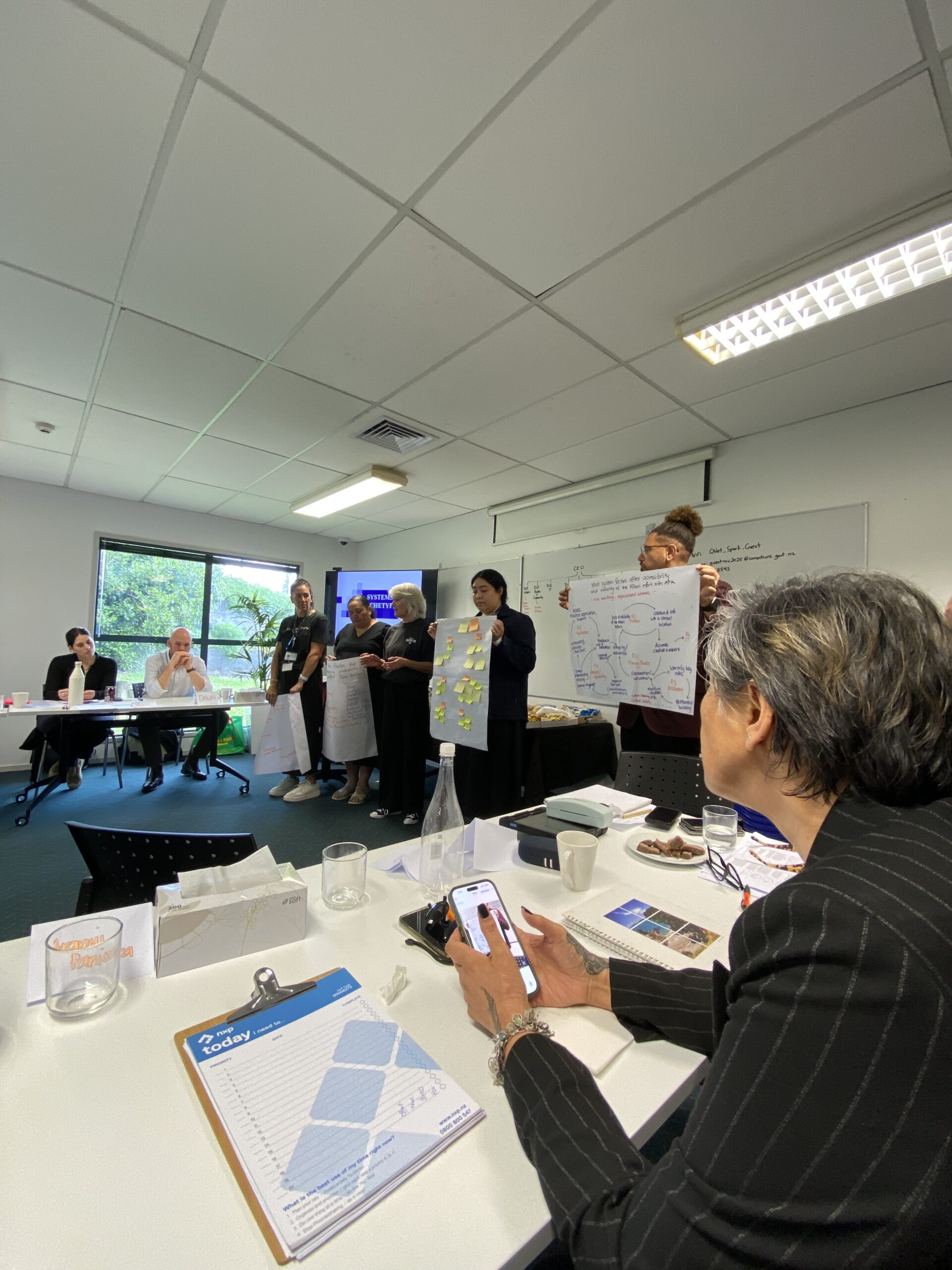
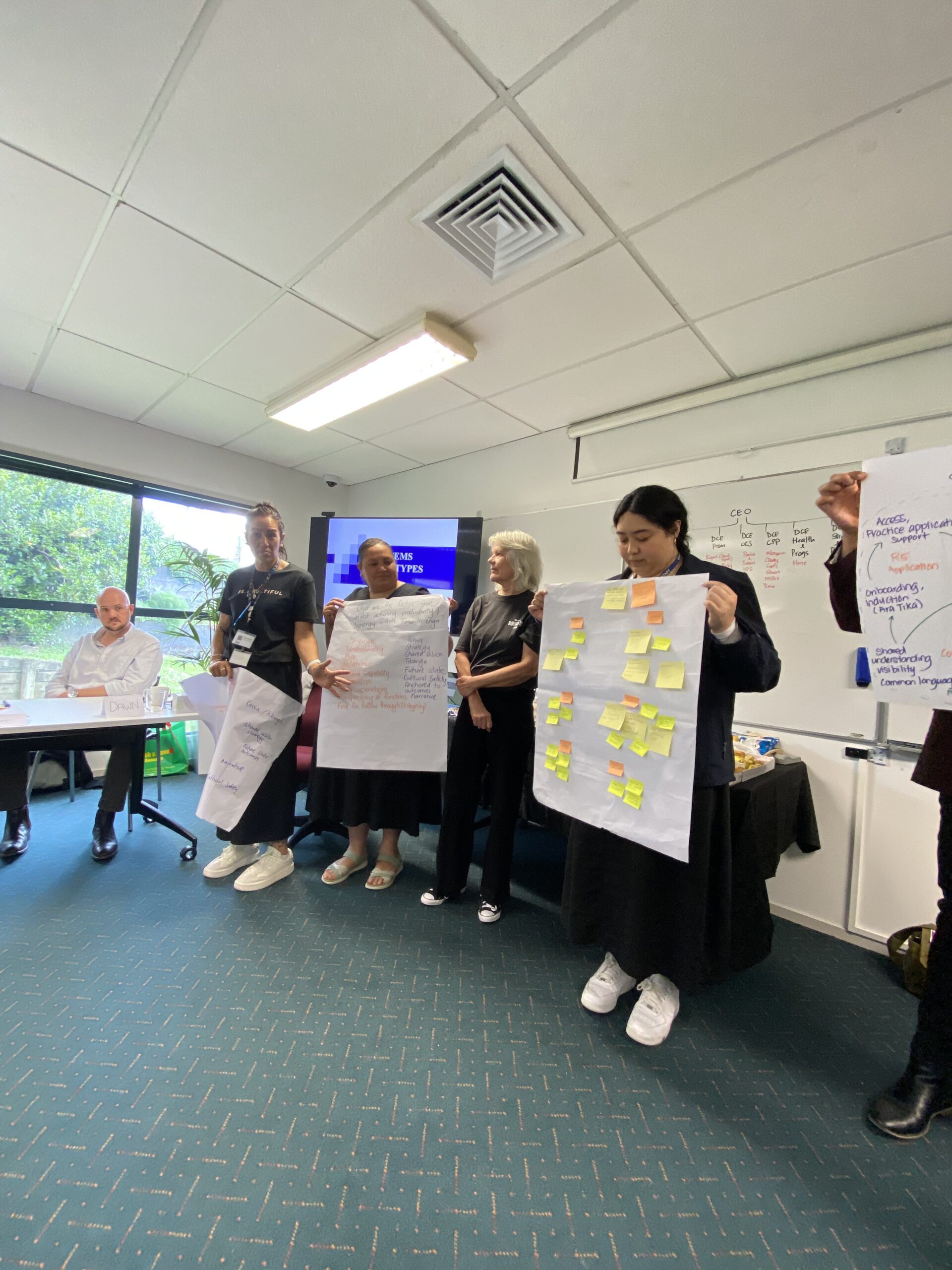
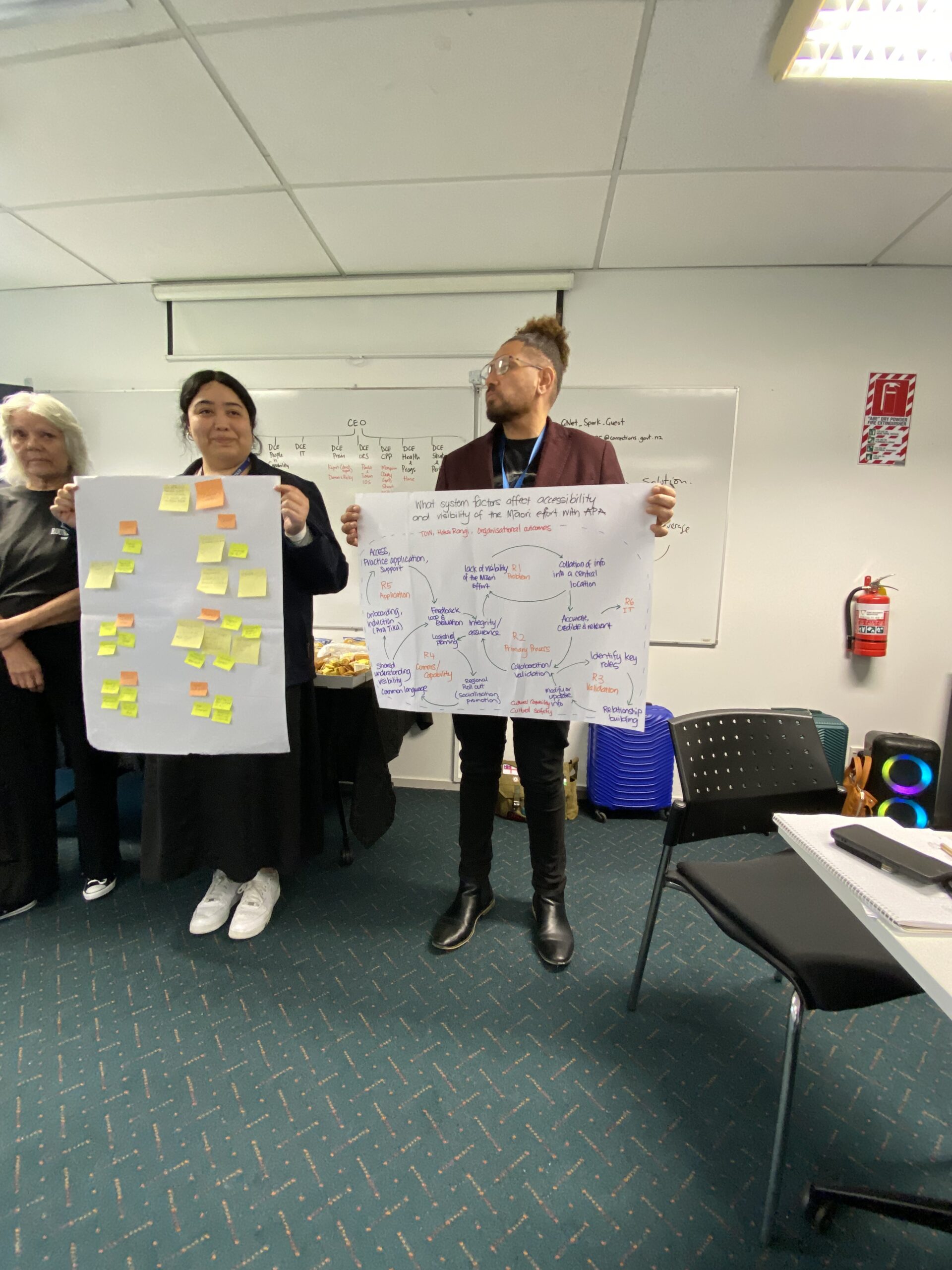
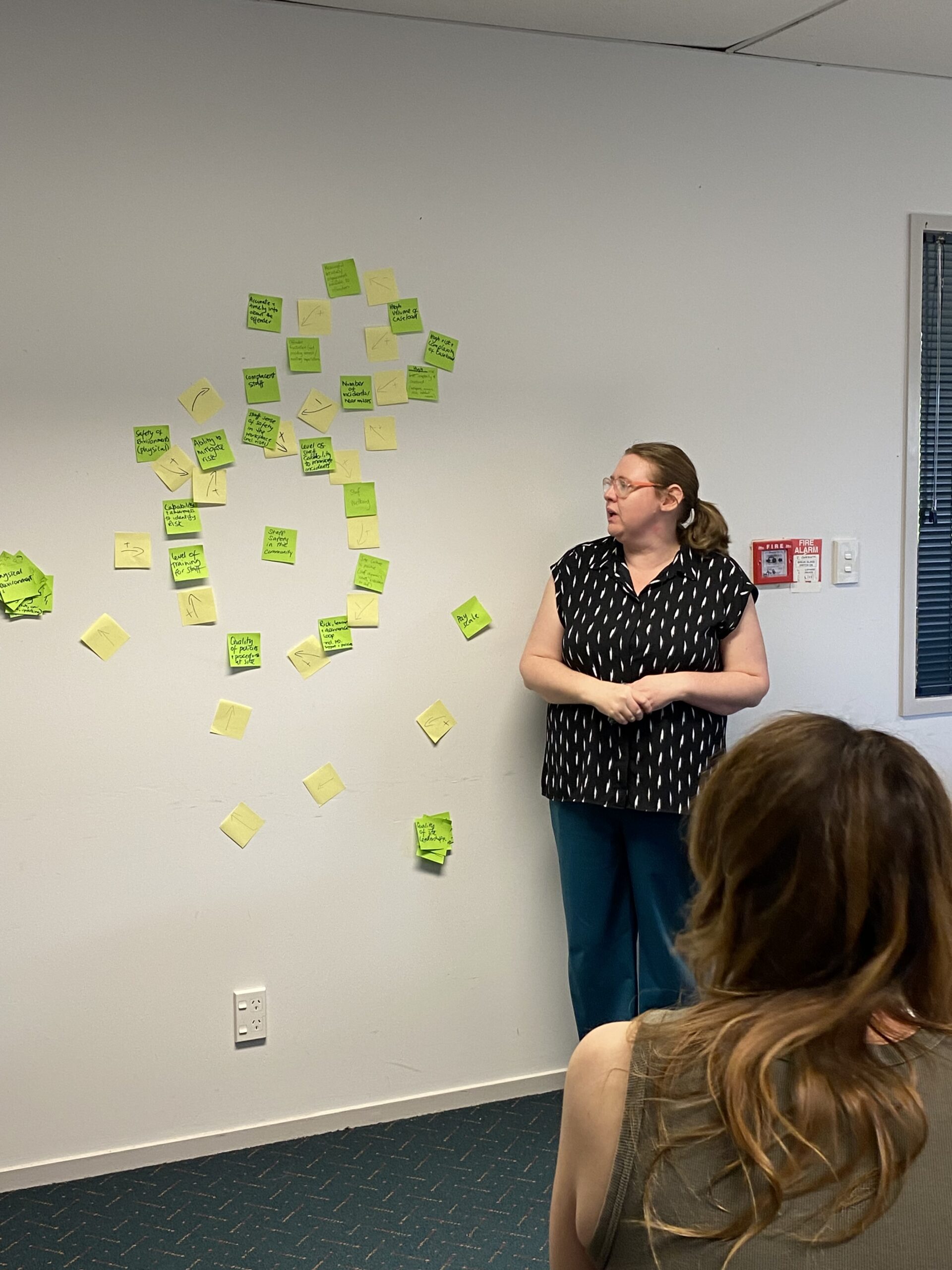
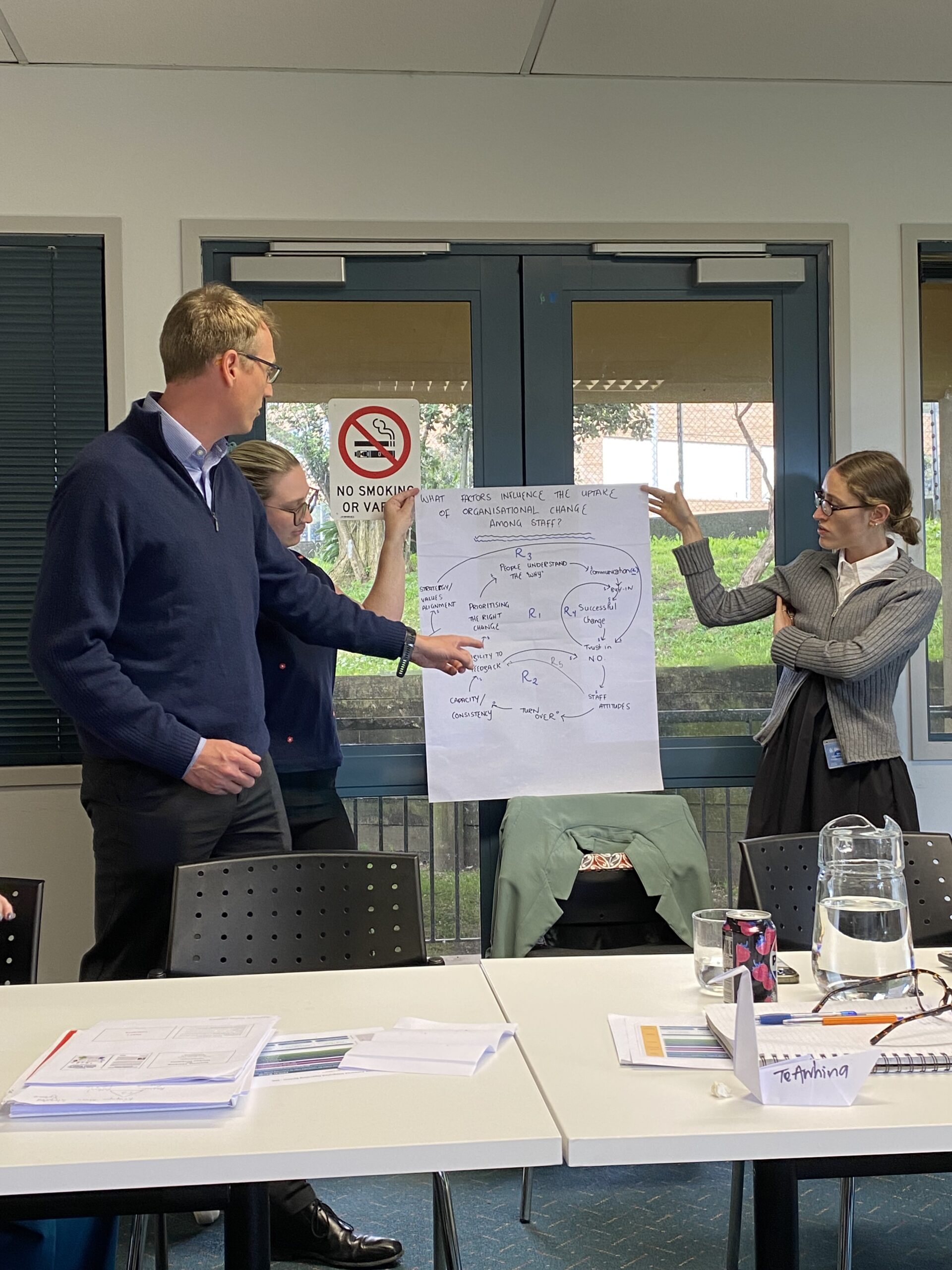
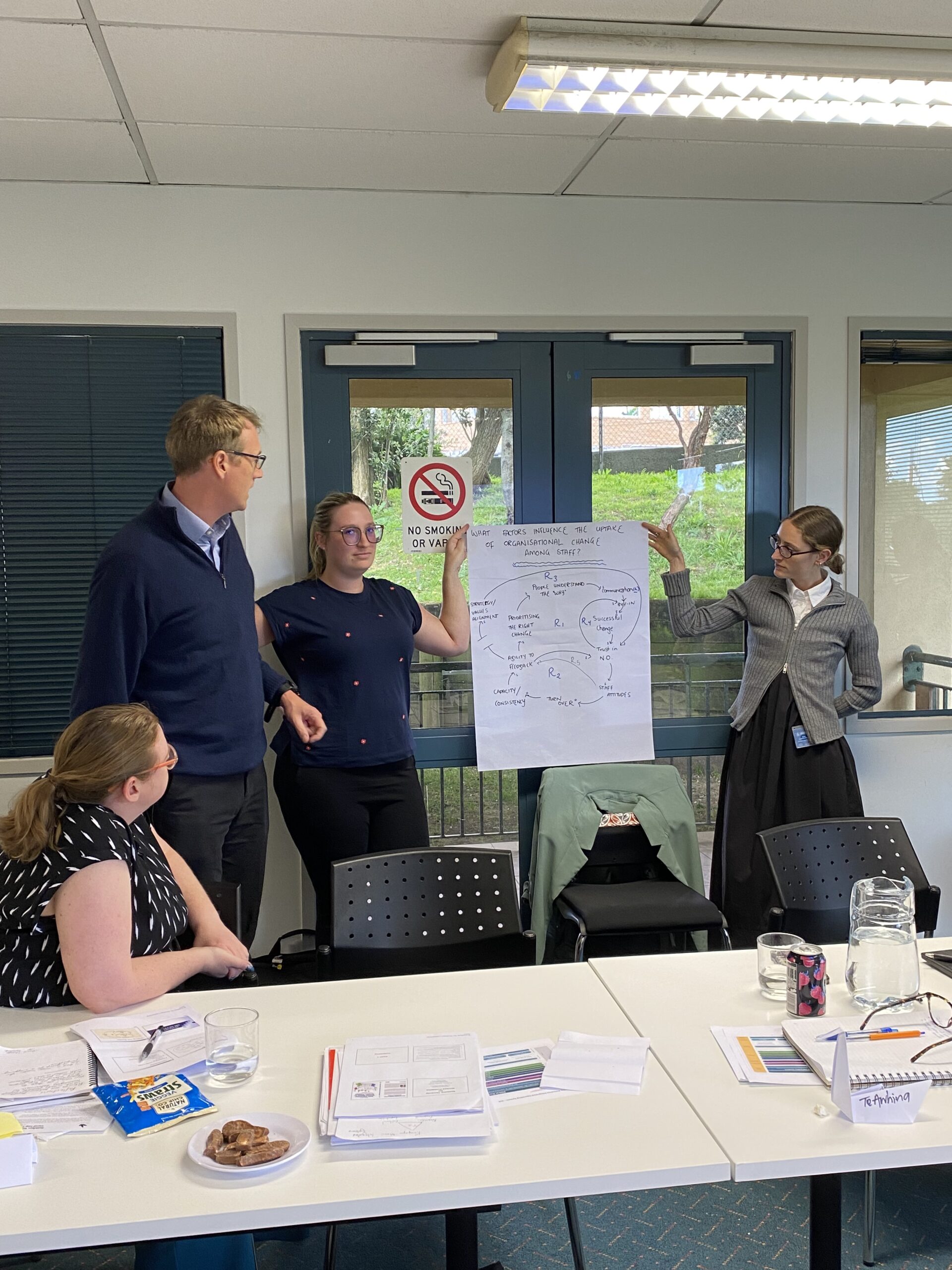
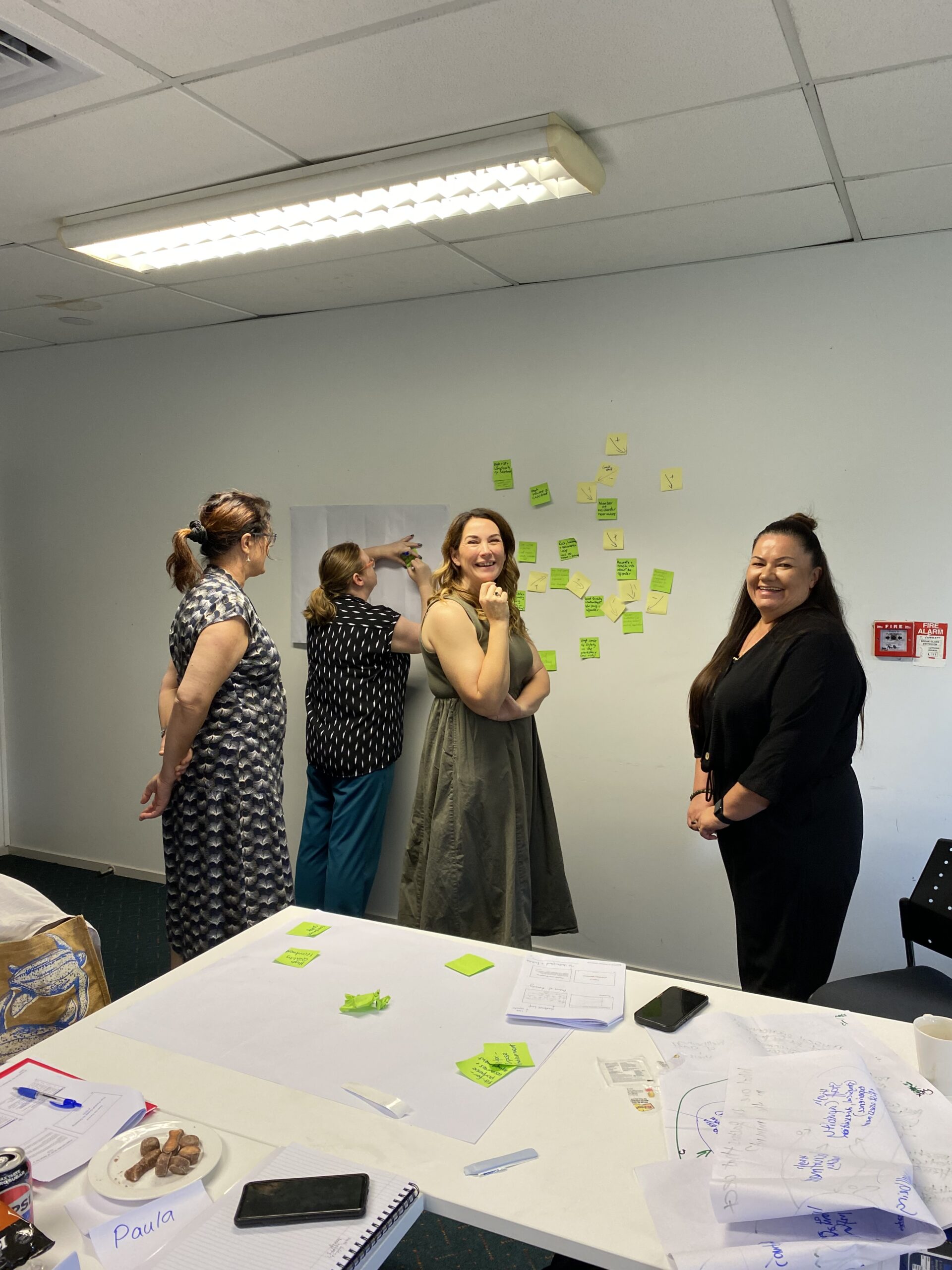
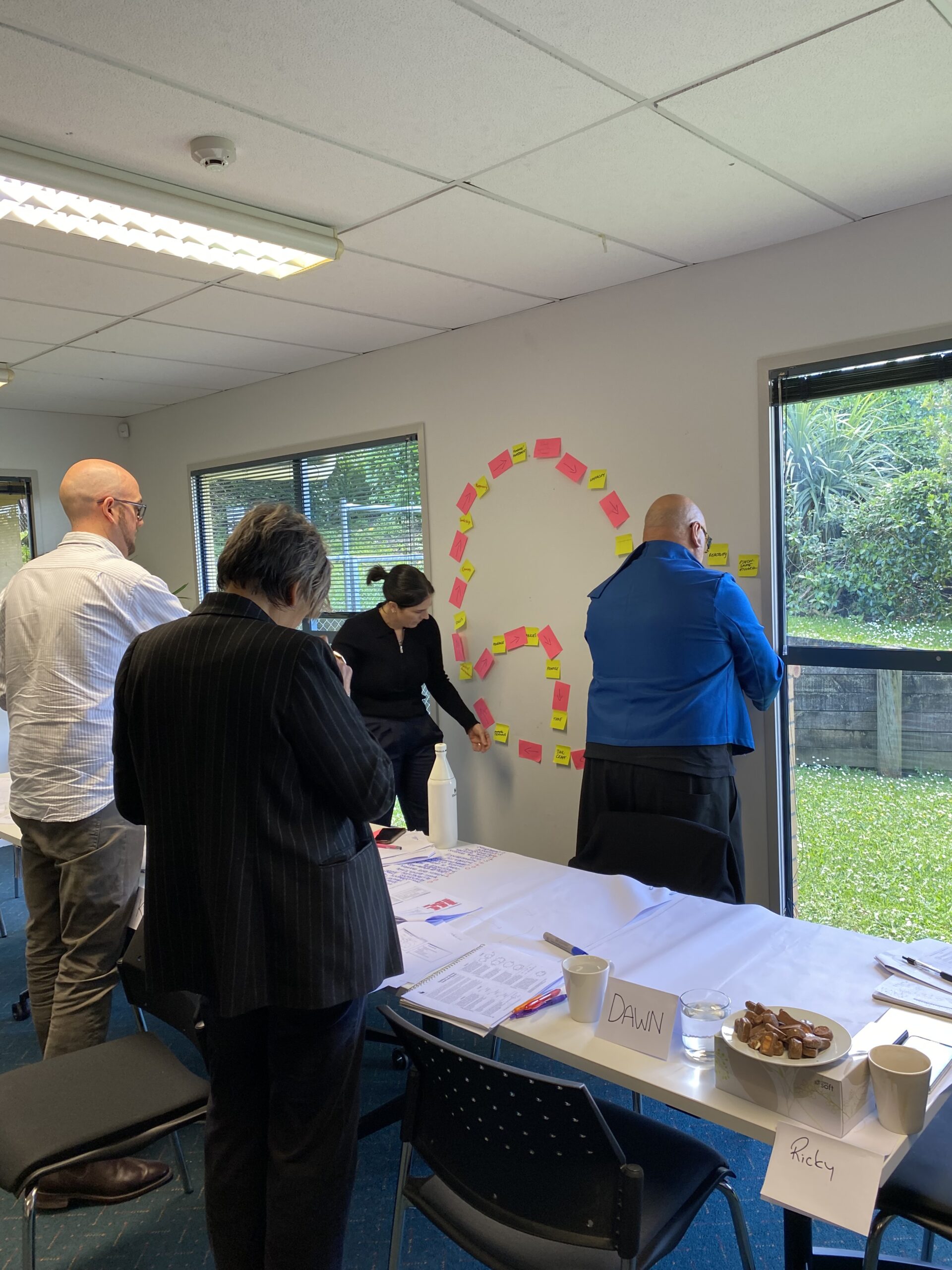
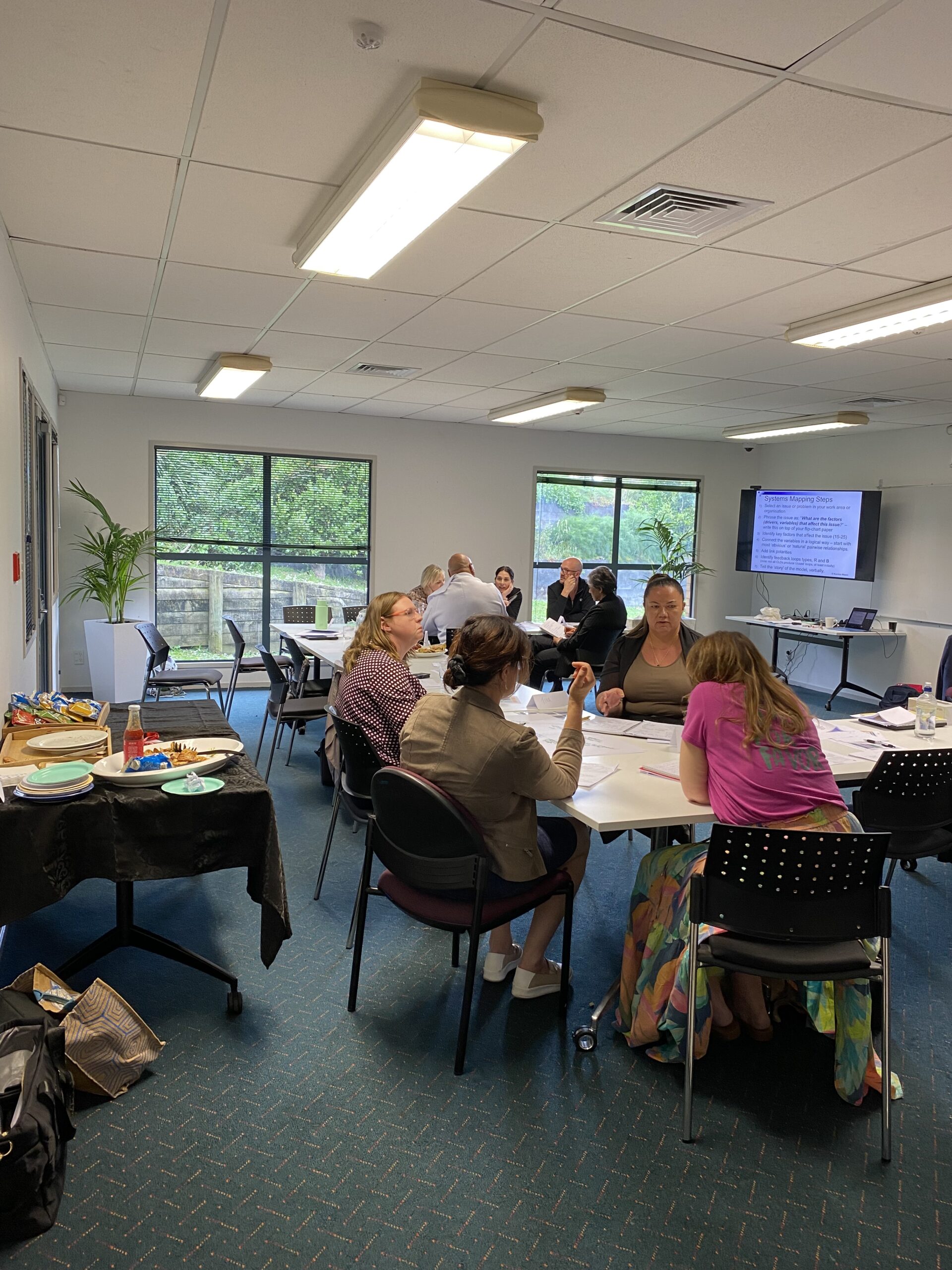
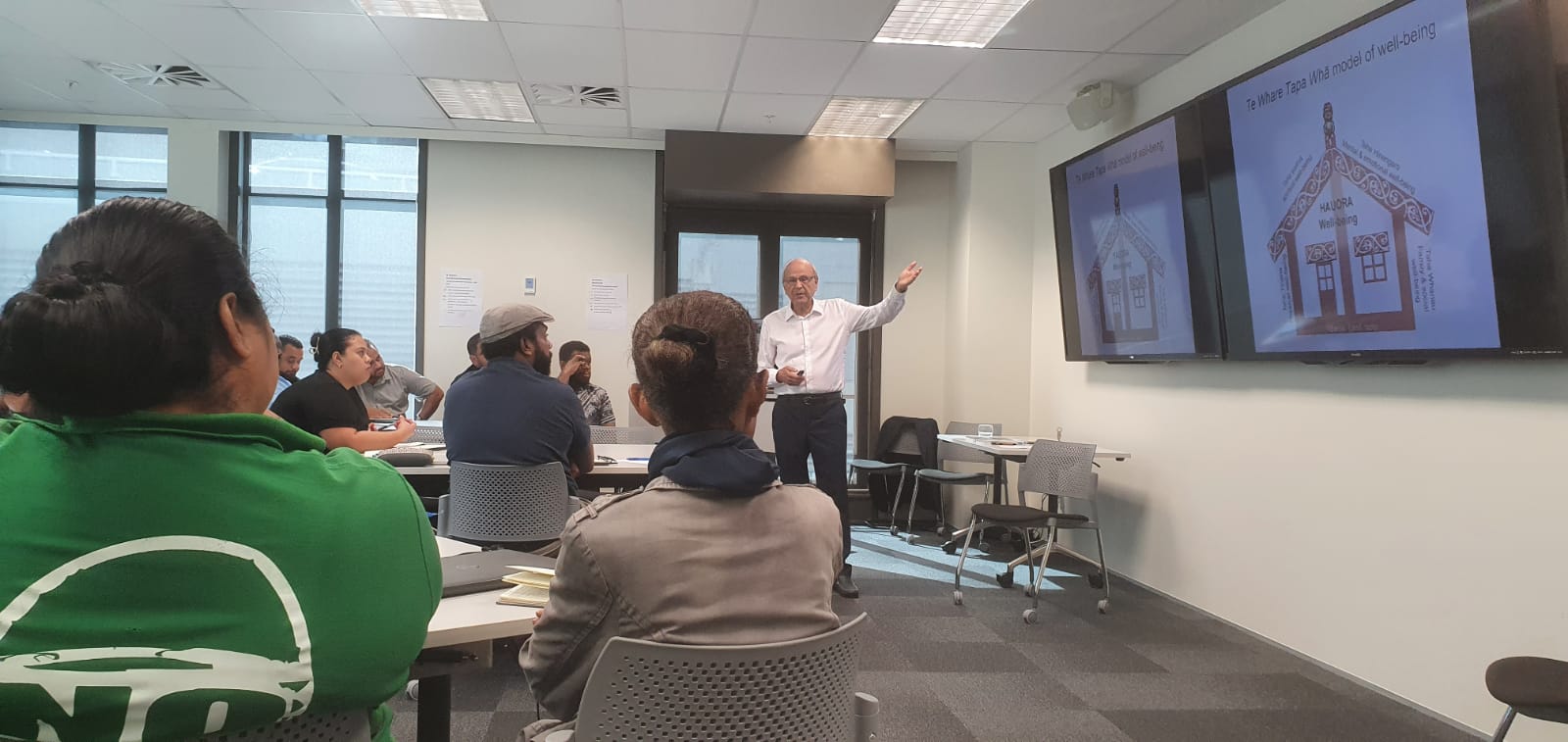
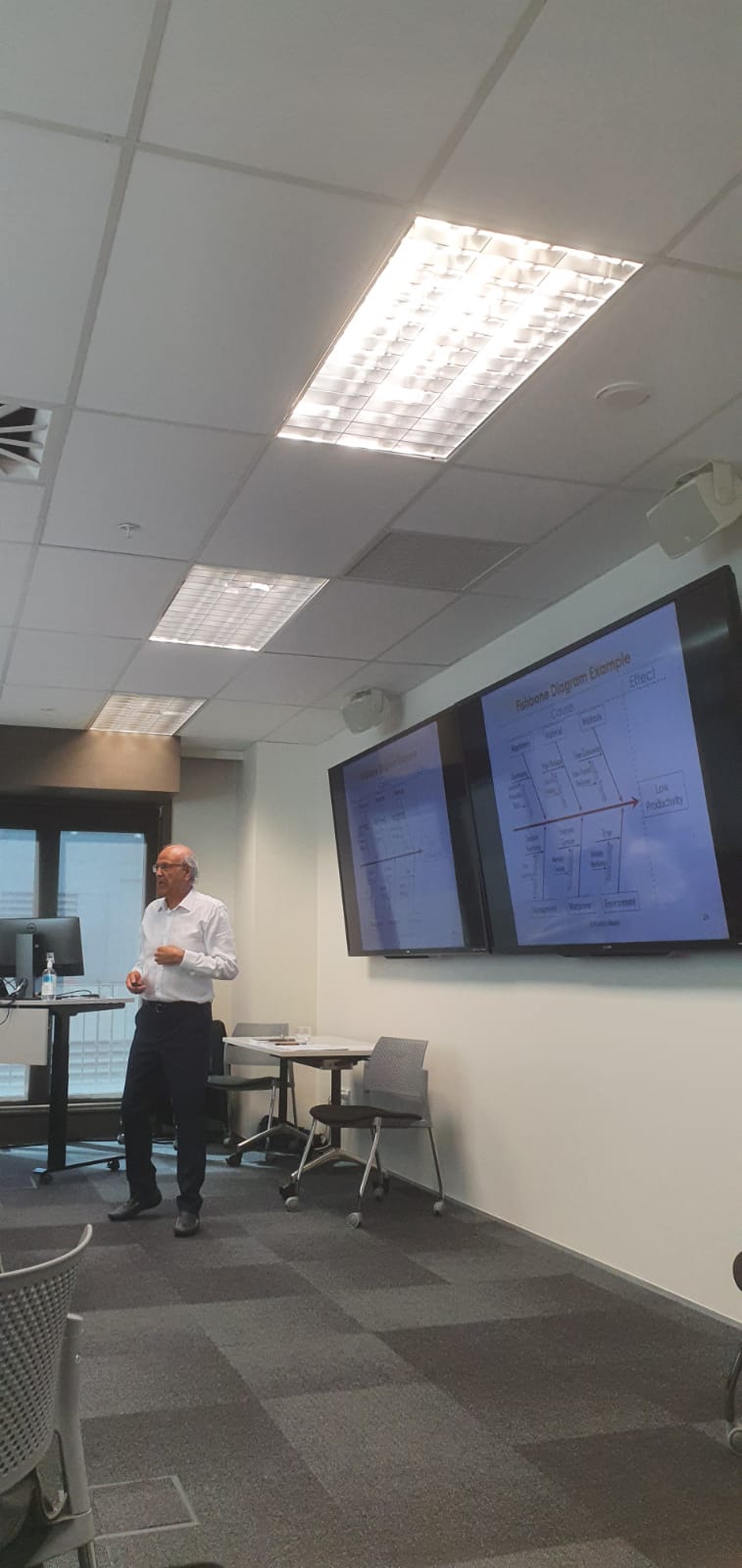
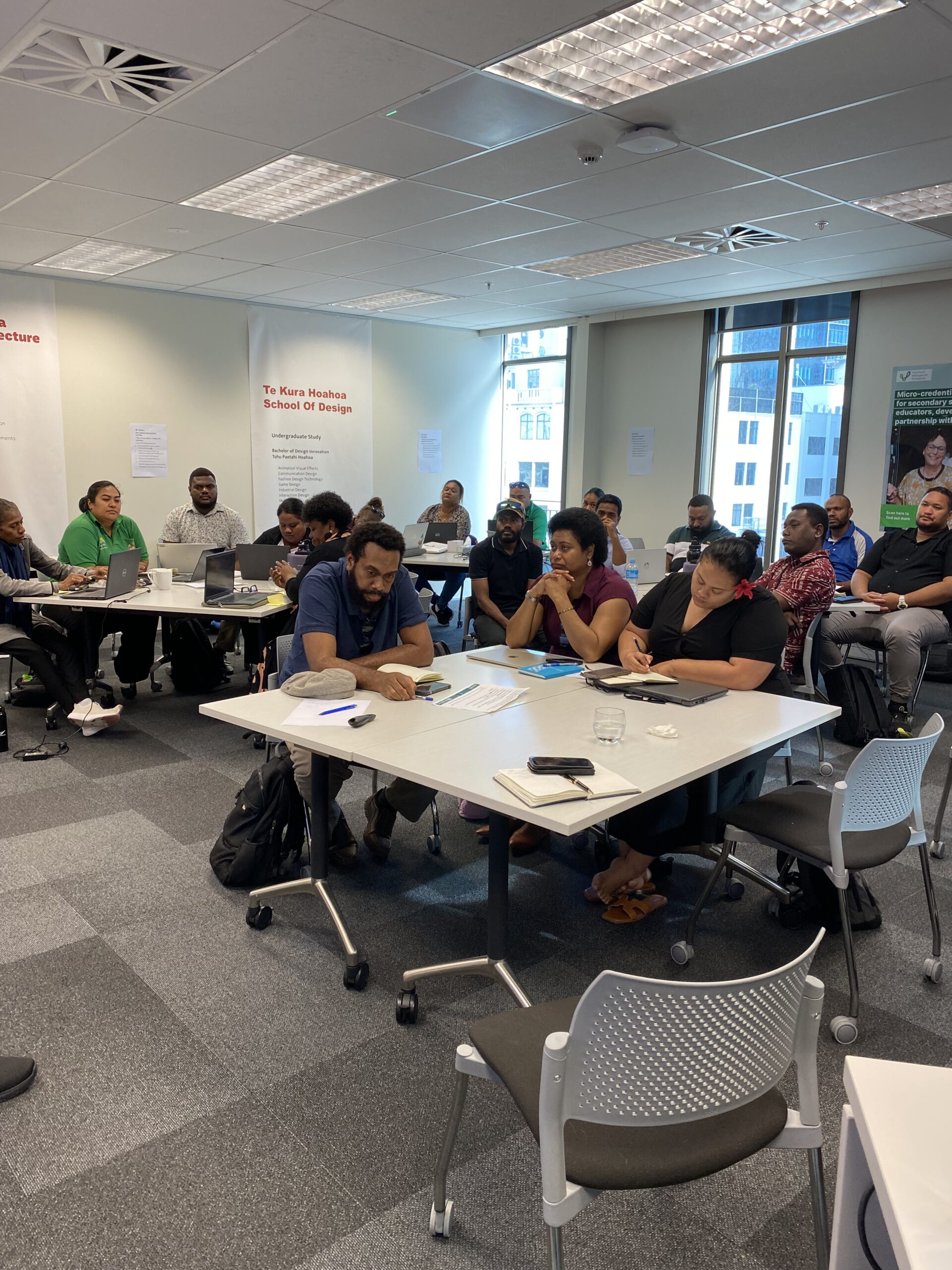
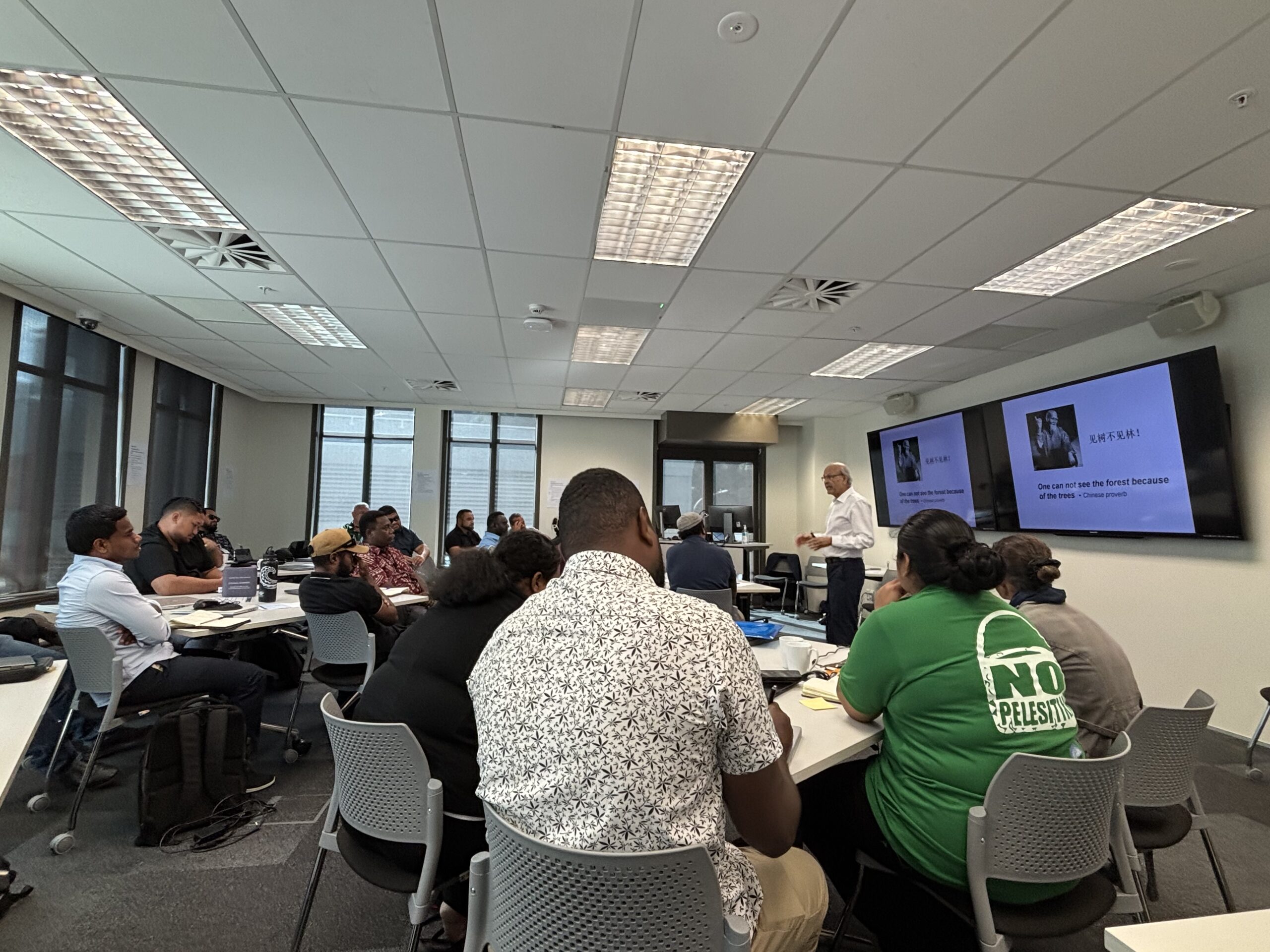
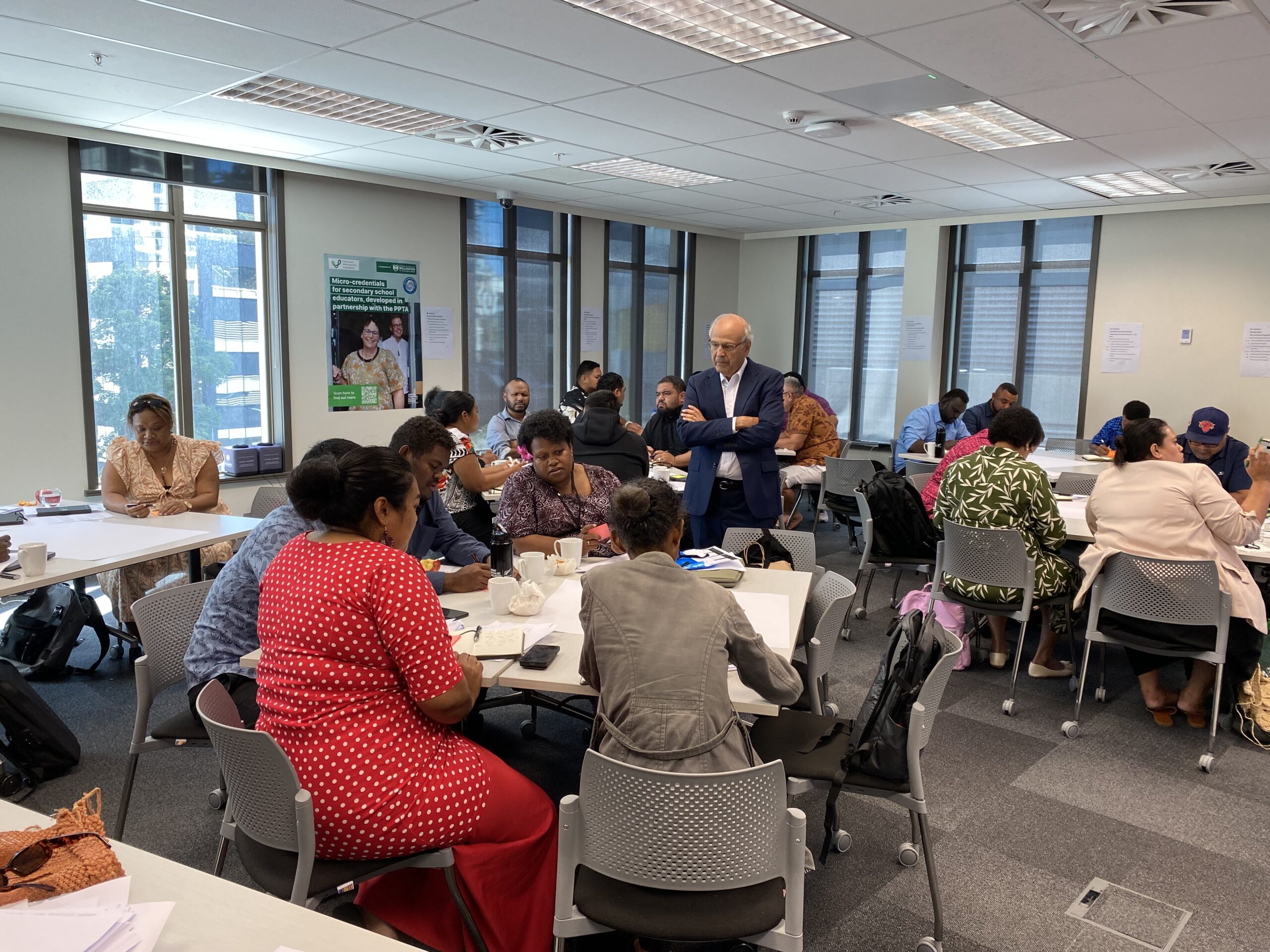
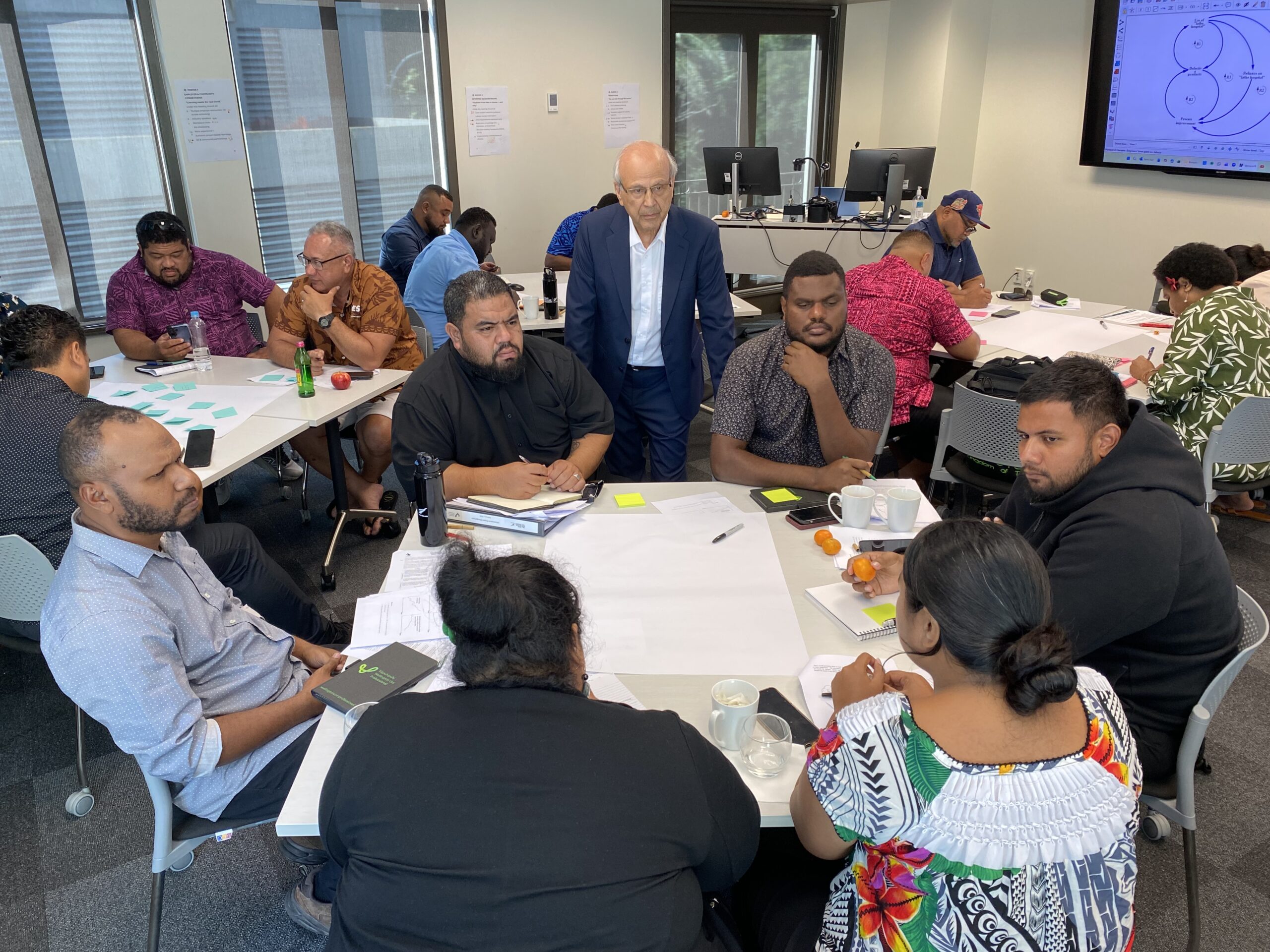
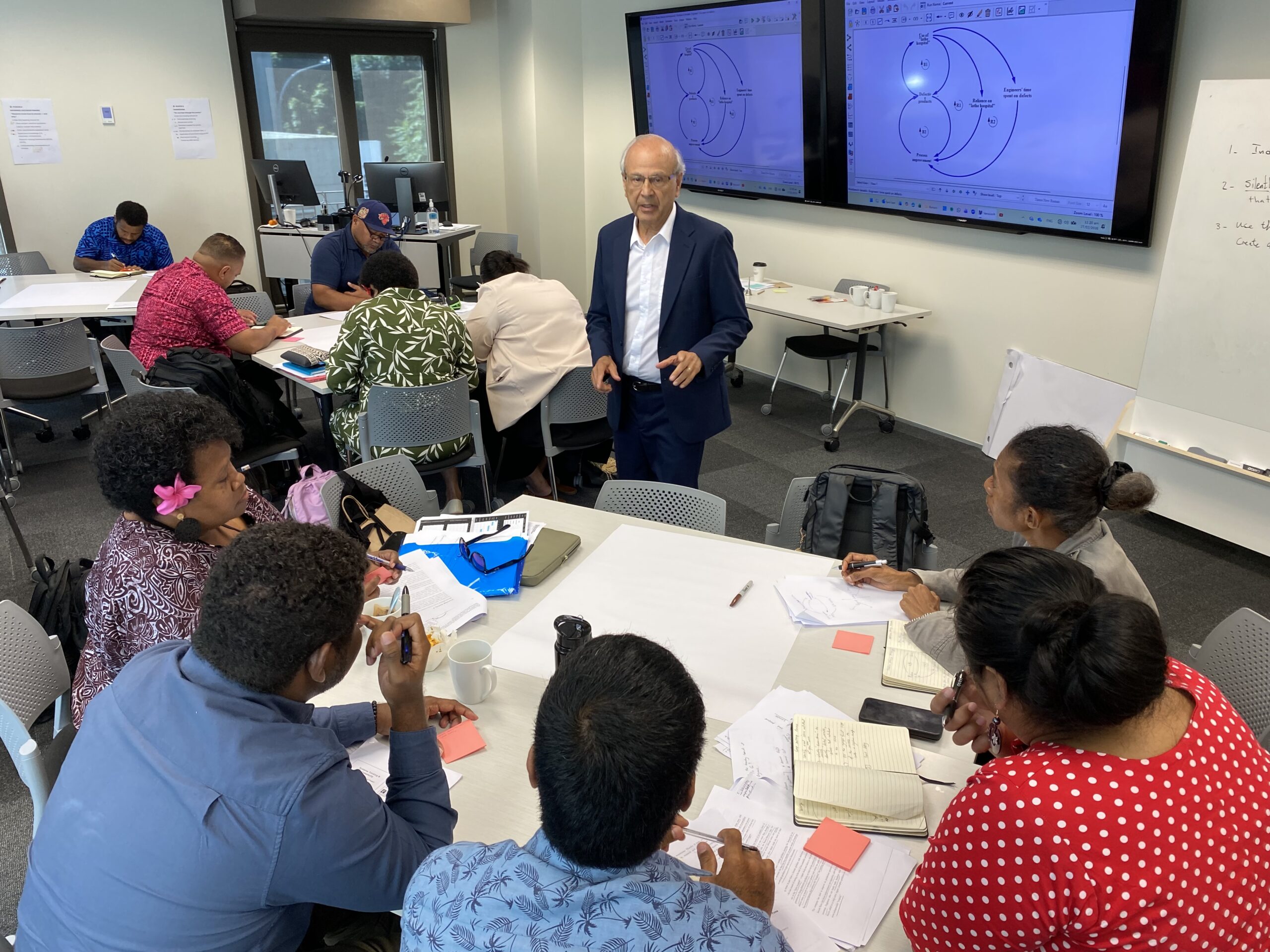
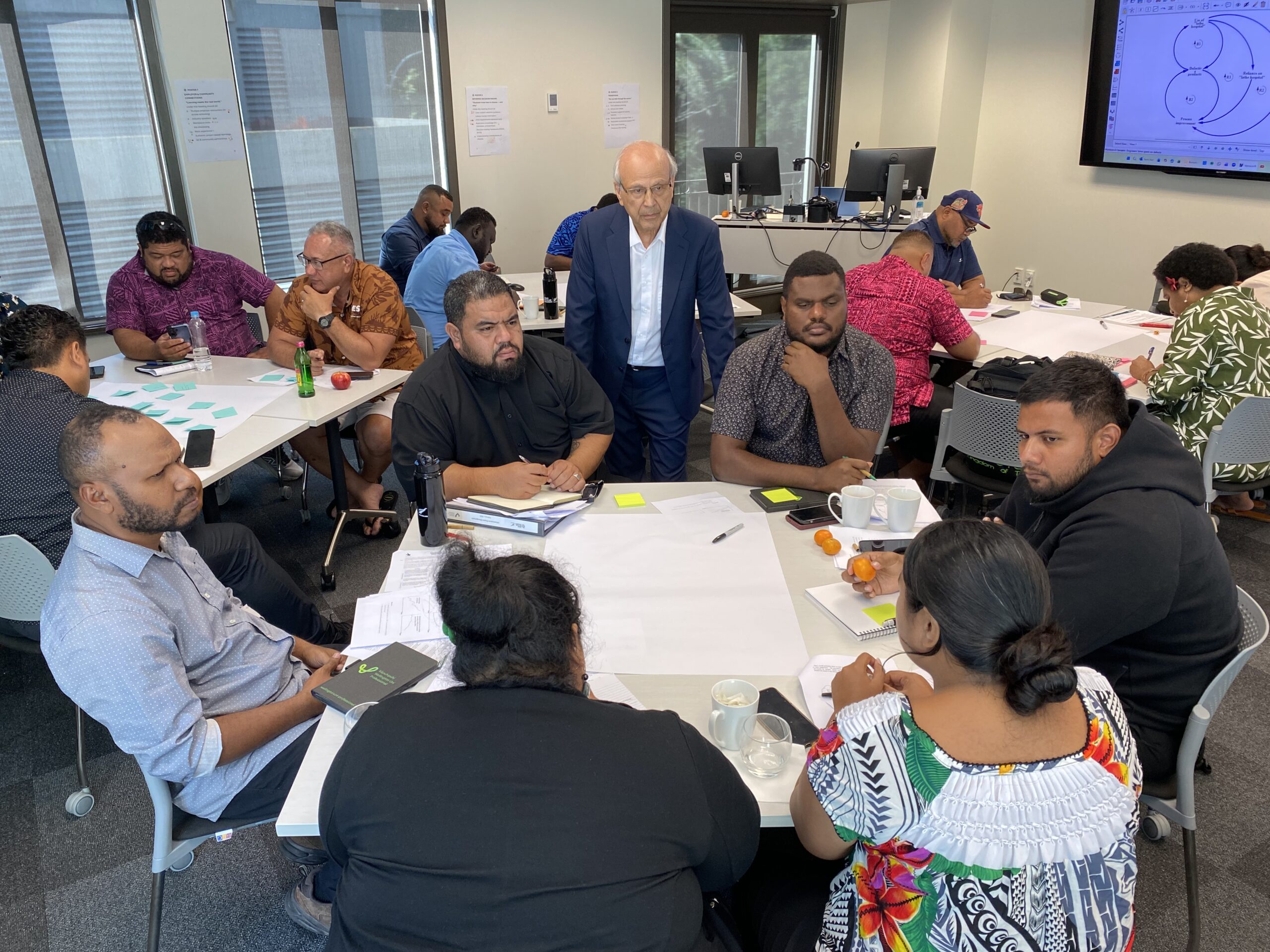
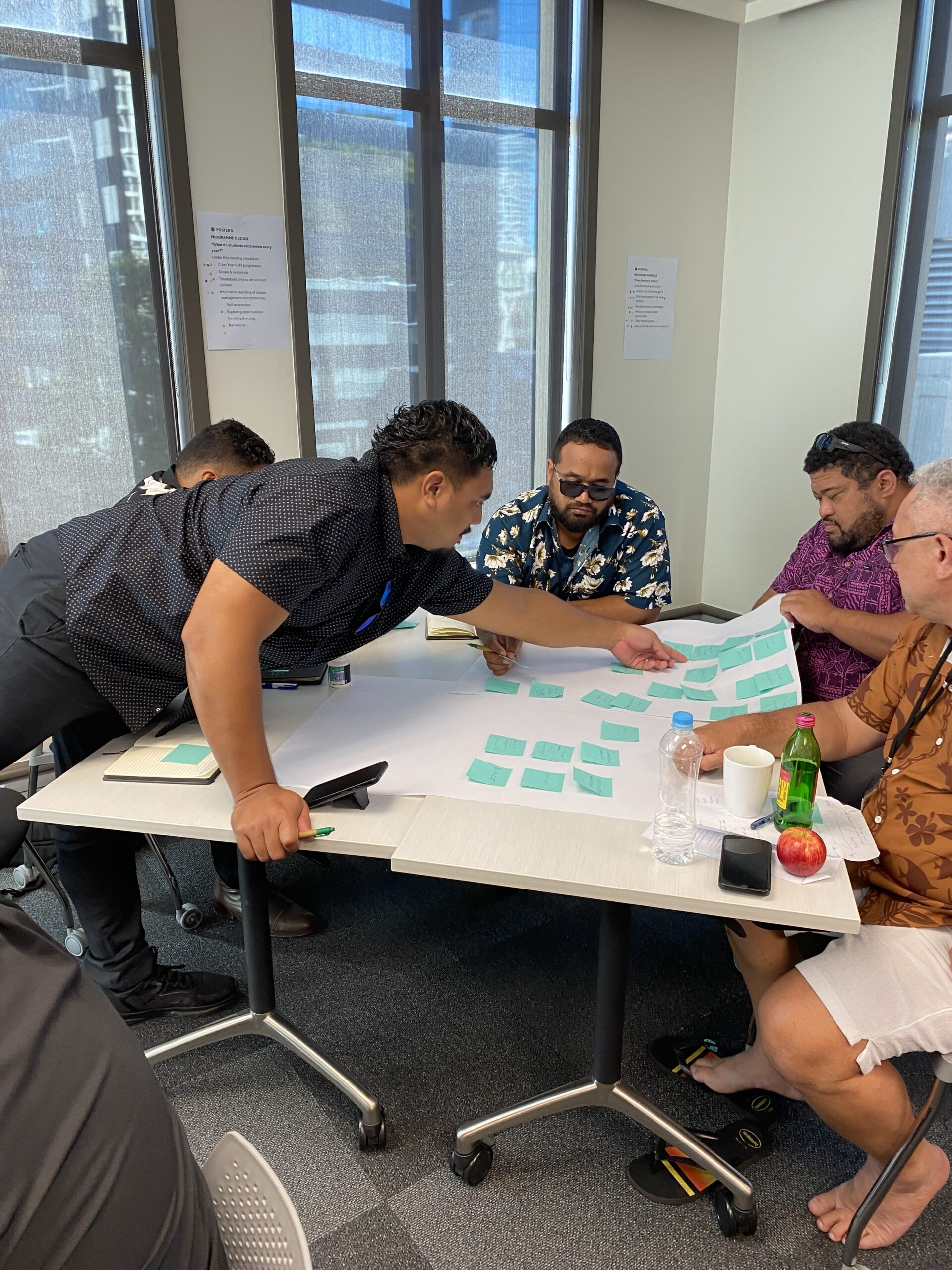
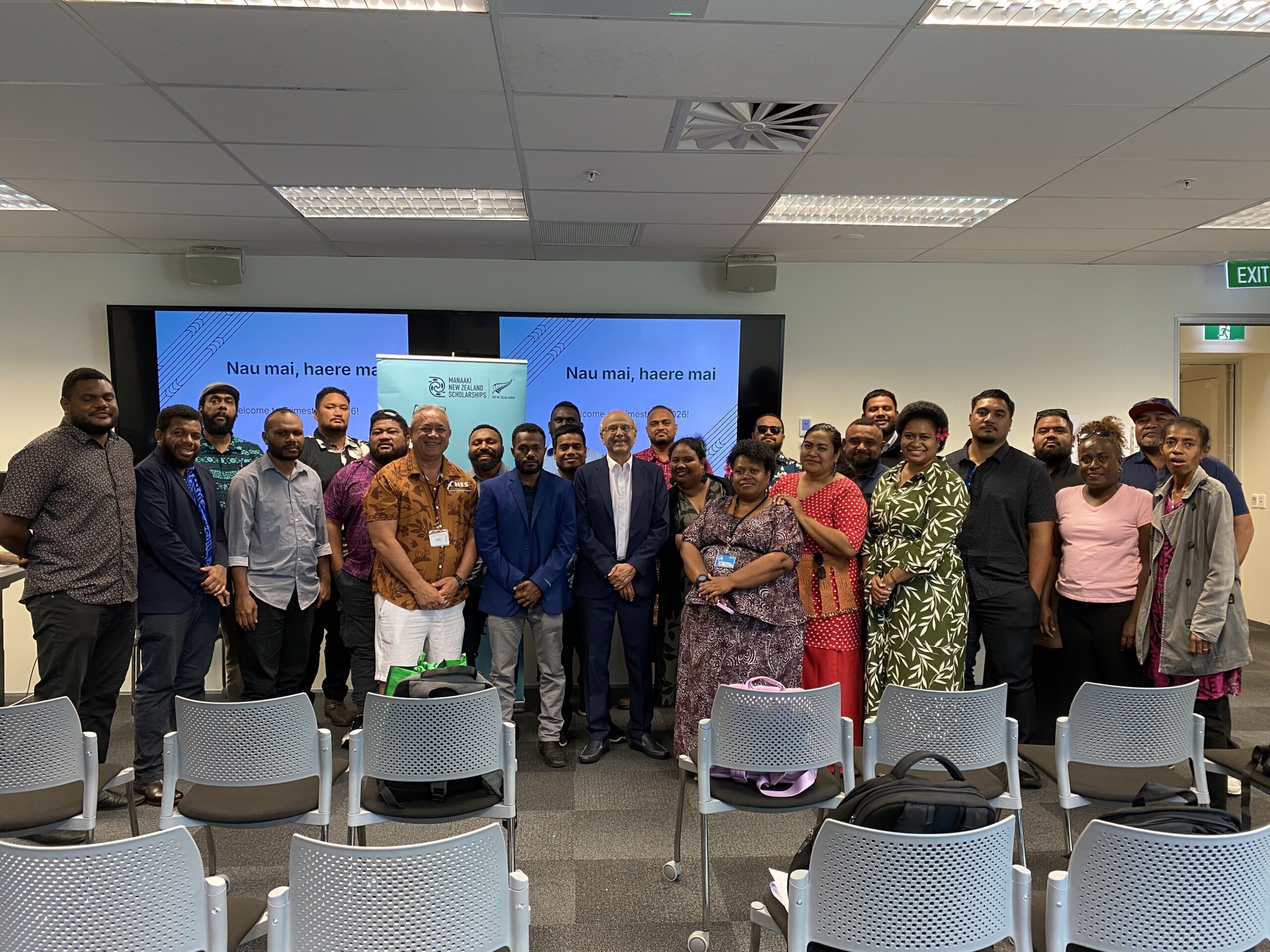
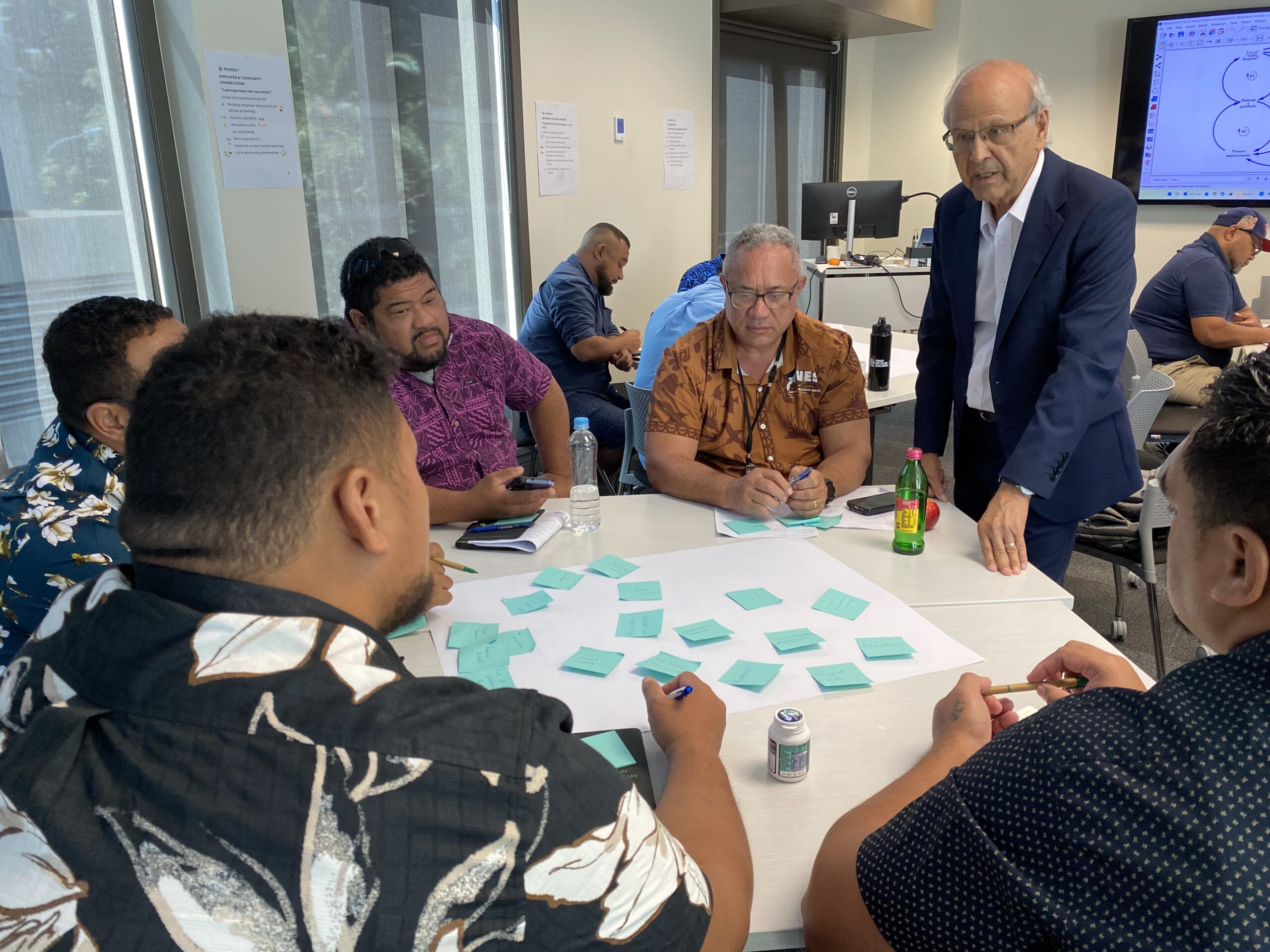
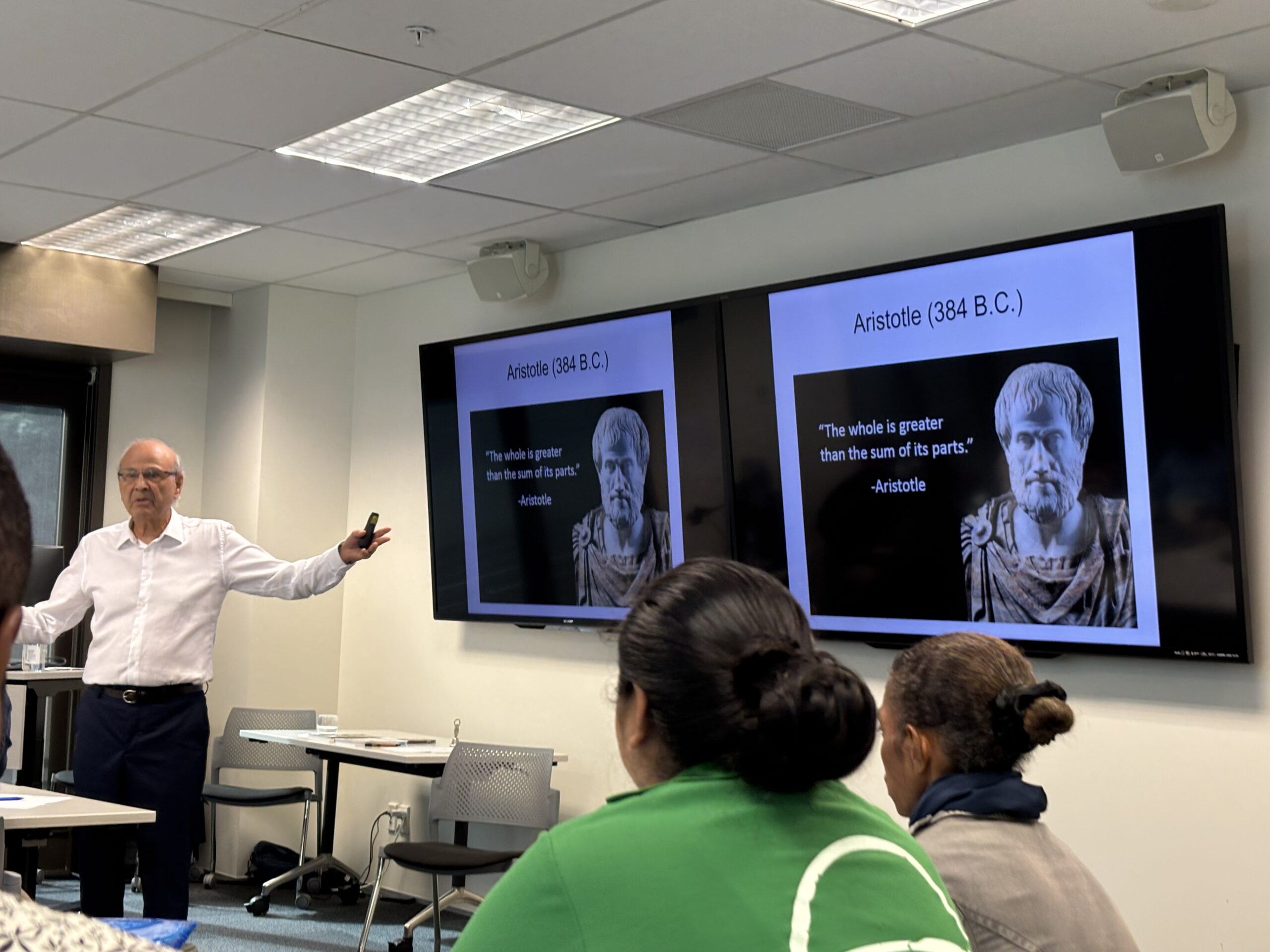
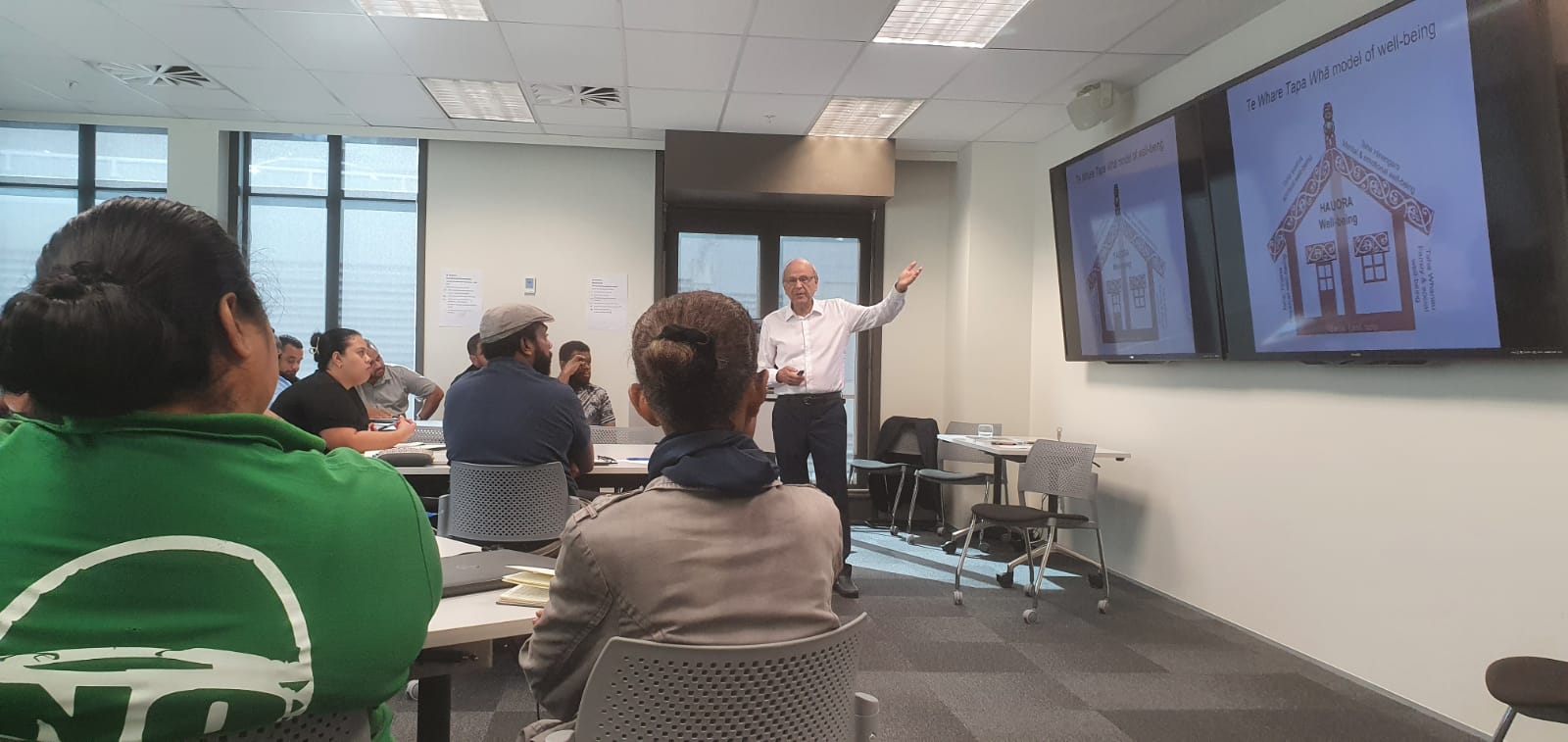
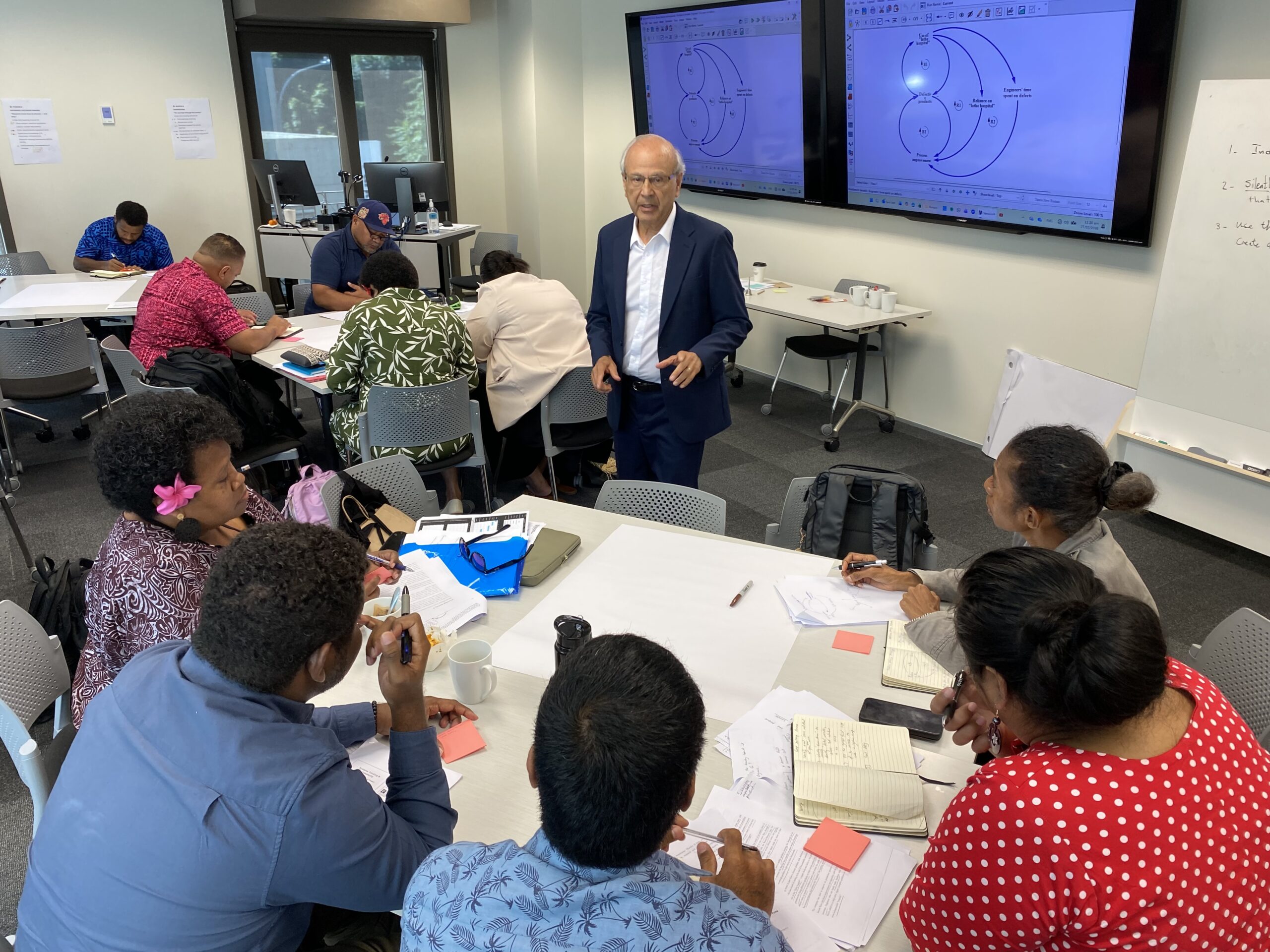
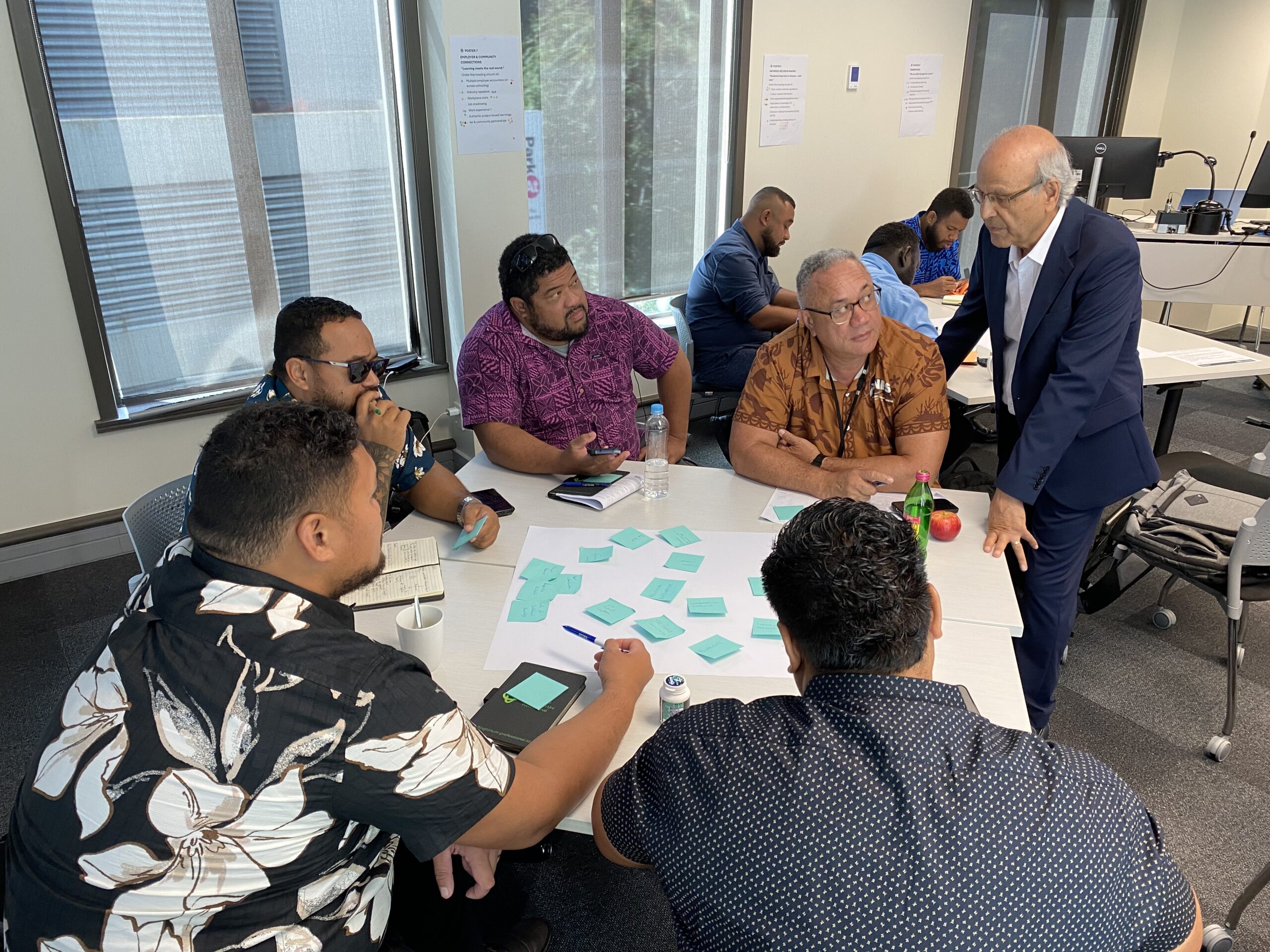
The Two-Day course & workshop will introduce concepts and tools of Systems Thinking & Complexity management and relate them to prevalent issues and challenges facing all organizations and institutions today. The course contents and cases are sector and industry specific and will be customized to suit the clients’ brief. The course will be participatory and interactive. It will integrate presentations, group discussion, case studies, and specialized software for systems mapping. Participants will work in small teams throughout the course.
For over 30 years, Kambiz has delivered courses and workshops on Systems Thinking and Complexity in five continents — with rave reviews.

Course Outline 

Over the interactive two-day program, participants will learn:

  • How to break silo mentality and work collaboratively across departments
  • How to unpack complex uncertain problems
  • Avoid the Jumping-into-solution trap
  • Understand the difference between solution and leverage
  • Foresee the unintended consequences of actions, policies, and strategies
  • Understand the Four Levels of Thinking
  • Systems Archetypes for high-level decision making
  • How to identify leverage for systemic change
  • Tools of systems mapping
  • Avoid misjudging problem symptoms for their causes
  • Reconcile short-term fixes vs long-terms interventions
  • Resolve endemic staff morale and productivity problems
  • Enable alignment of vision and action to organizations and their stakeholders

At the conclusion of the course and workshop, participants will be able to use Systems Thinking concepts and tools to model and explain complex and dynamic situations occurring in their strategic and functional challenges. They will be able to recognize and reverse the recurring vicious cycles and to identify key leverage points for lasting interventions. 

Sample Participants Feedback

  • The best training I have ever attended!
  • The best training our organization has ever provided
  • A fascinating course
  • Leading edge content
  • A new approach to looking at problems
  • I am trying to apply this to everything I do and see
  • Learning labs are great
  • Taught me to think differently
  • Very challenging and thought provoking
  • An excellent, excellent, excellente course

Day One

WHY & WHAT IS SYSTEMS THINKING?
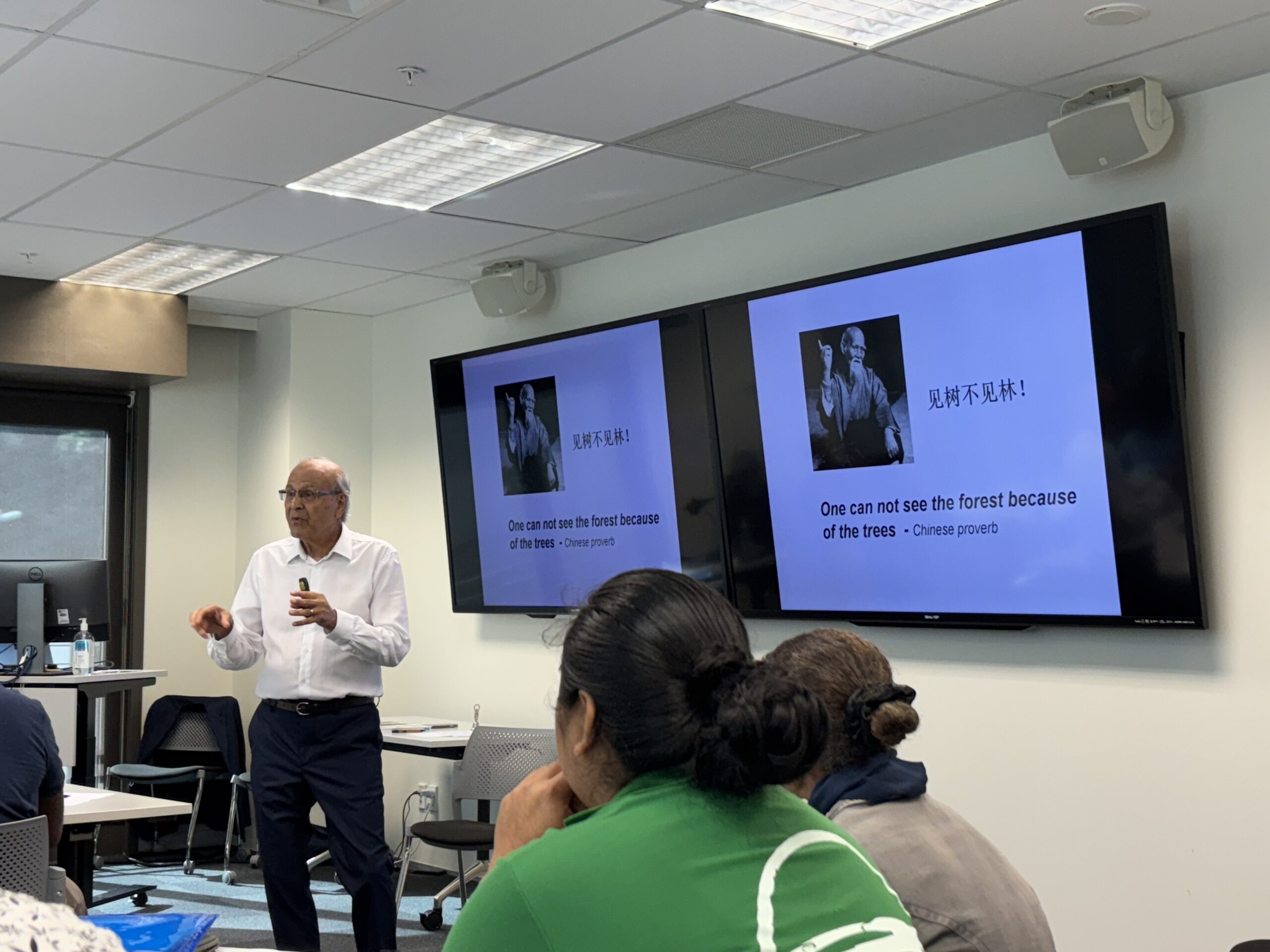
Our prevailing worldview and the way modern organizations are structured, and function are deeply rooted in the reductionist thinking that originated in the 17th century! This fragmented, divide-and-conquer mindset has been a major barrier to breakthrough thinking in our technology led world and business.  

UNRAVELLING COMPLEXITY
Today, leaders and decision makers live and operate in ever-increasing complex environments. Yet, most are not equipped to understand and manage complexity. Hence, they are baffled by uncertainty, ambiguity, lack of control and change. Thus, they become perplexed and frustrated when their well-conceived strategies and plans don’t work or fall short of expectations.   
LEARNING THE SYSTEMS THINKING LANGUAGE
Systems Thinking provides a powerful tool kit and language for dealing with wicked problems. The systems thinking tools show how cause and effect unfold over time and why they are not close in time and space. It identifies the unintended consequences of actions and policies and why and how these effects recur and persist.  Systems Thinking tools help leaders to see beyond day-to-day events by understanding recurring patterns through Causal Loop Models.  

UNDERSTANDING GENERIC  PATTERNS

  • Why certain unwanted patterns occur repeatedly despite our best efforts to stop them?
  • Why leaders and organizations get trapped in endless quick fixes and firefighting?
  • Why organizations underestimate ‘limits to growth’ in their policies and decisions?
  • Why companies get trapped in escalating competition and price wars?
  • Why most interventions backfire and create undesirable side effects?
  • Why organizational ‘addictions’ persist and cause their demise?
  • Systems Thinking in Practice: case study from various organizations and industries

LEVERAGE, DELAY AND INTERVENTION

Managers often mistake symptoms for the cause. Hence, their interventions tend to focus on the ‘wrong’ issues. They also commonly overlook systemic delays that mask cause and effect lag time. Consequently, they frequently change directions, introduce new initiatives and abandon otherwise sound initiatives that appear not to be working.  In doing so, they destabilize their organizations causing low morale and endemic vicious cycles.  

Day Two

Recap of learning from Day One  

WORKSHOP:  MODELING ISSUES AT YOUR ORGANIZATION
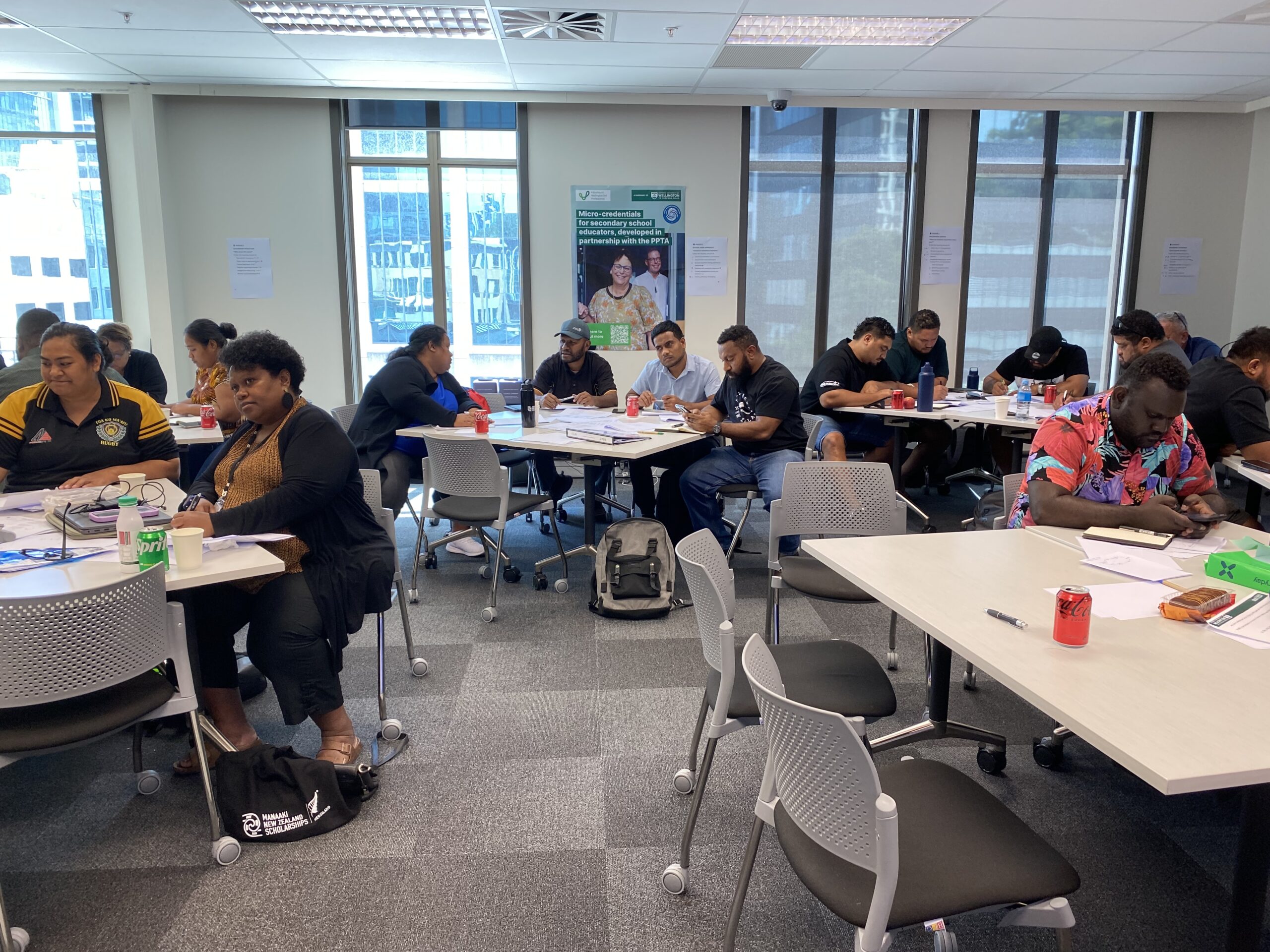
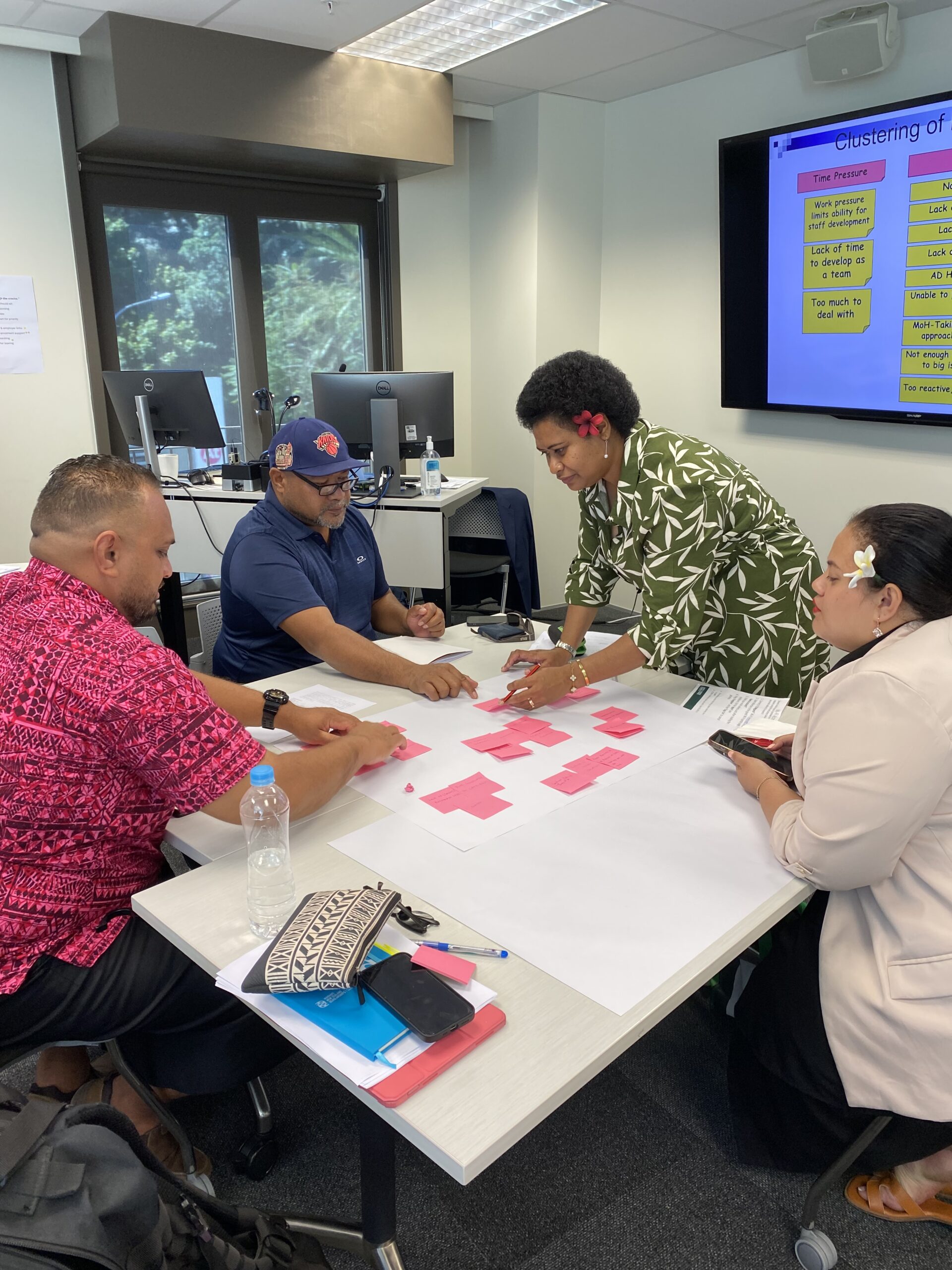
During this workshop, the participants will work in small groups on real issues related to their organization. The strategic issues will be identified and selected by the participants themselves. They will then apply Systems Thinking tools to model these issues and to identify leverage points and intervention strategies.

Group Presentations and Feedback: The workshop will conclude with presentations and feedback on projects. The pathway to implementation will then be identified and chartered.   

SYSTEMS THINKING AND ORGANIZATIONAL LEARNING  
Organizational Learning (OL) is about enhancing collective will and collective intelligence in leading organizations.  In this session we link Systems Thinking to OL and their implications for leadership.
  • 10 ‘fatal’ learning disabilities of managers?   
  • 5 capabilities of learning organizations?
  • How can organizations learn? double loop learning
  • Shared vision and mental models - top down or emergent?
  • Leaders’ new role: Creating Learning Organizations
  • How to create learning teams?

Who should attend?
Leaders and senior and functional managers and knowledge workers from private, public or volunteer sectors will benefit from this course. Participation of company cohorts is especially powerful for team building and company cohesion.  

I would suggest we send as many managers of ours as possible to attend this course at first priority. This course is distinctively different from any other courses in any EMBA program… It was the only “non-linear” knowledge in the program, in contrast to all other “linear” ones, and it will definitely pay off very quickly.
- Dr. Kent Koh
Aalto EMBA, Taiwan
Totally brilliant – beyond my expectations and has sparked new patterns of learning! This new level of thinking is something I want to build on. Opening my eyes to the reality of interrelationships in events, patterns, systemic structures and mental models - From this day on my head is officially out of the sand! Thanks for such an inspiring experience!
- Ann Calman
Director, Human Resources, Nokia (Southeast Asia)

Sample Workshop Flyers

kambiz@maani.co.nz

Web Design by SBWD